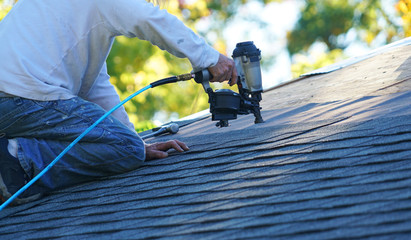
Understanding the Importance of Roof Repair

Roof Repair

The roof serves as the first line of defense against the elements. It protects the home from rain, wind, snow, heat, and debris. When a roof is compromised, even in small ways, it can allow moisture to enter and cause damage to insulation, ceilings, walls, and structural components.

Roof repair helps restore the roof’s ability to perform its essential function. Addressing issues early prevents minor damage from escalating into major problems that may require full roof replacement. Regular Cedar Park Roofing repair also extends the lifespan of roofing materials and preserves home value. Ignoring roof damage often leads to higher repair costs and increased safety risks.

Common Causes of Roof Damage

Roof damage can occur for many reasons, some gradual and others sudden. Weather is one of the most common causes. High winds can lift or tear shingles, hail can crack or bruise roofing materials, and heavy rain can exploit weak spots.

Age is another significant factor. Over time, roofing materials naturally deteriorate due to constant exposure to sunlight, temperature changes, and moisture. Older roofs are more prone to leaks, cracking, and material failure.

Poor installation or substandard materials can also lead to premature roof problems. Improper flashing, inadequate ventilation, or incorrect shingle placement often results in the need for repairs sooner than expected.

Signs That Roof Repair Is Needed

Recognizing early warning signs of roof damage helps homeowners take action before problems worsen. One of the most obvious signs is a leaking roof. Water stains on ceilings or walls often indicate moisture intrusion.

Missing, cracked, or curling shingles are another common sign. These issues expose the underlying roof structure to the elements. Granules accumulating in gutters may also signal that shingles are deteriorating.

Sagging areas on the roof, damaged flashing around chimneys or vents, and visible daylight in the attic are additional indicators that roof repair is necessary.

Roof Leaks and Moisture Issues

Roof leaks are among the most frequent reasons for roof repair. Even a small leak can cause significant damage over time if left untreated. Water can seep into insulation, weaken wooden structures, and promote mold growth.

Leaks are often caused by damaged shingles, cracked flashing, clogged gutters, or ice dams in colder climates. Identifying the source of a leak can be challenging, as water may travel before becoming visible inside the home.

Professional roof repair involves locating the true source of the leak and repairing it properly rather than applying temporary fixes.

Shingle Repair and Replacement

Shingles are a primary component of many roofing systems, especially asphalt shingle roofs. When shingles become damaged or dislodged, roof repair typically involves replacing the affected shingles.

Individual shingle replacement is common when damage is localized. This repair restores protection without the need for extensive work. Matching replacement shingles to existing ones helps maintain appearance and uniformity.

In cases where shingle damage is widespread, more comprehensive repair or partial replacement may be necessary to ensure long term performance.

Flashing Repair and Maintenance

Flashing is used to seal joints and transitions on the roof, such as around chimneys, skylights, vents, and valleys. Damaged or improperly installed flashing is a frequent cause of roof leaks.

Roof repair often includes resealing, repairing, or replacing flashing to restore a watertight barrier. Metal flashing can corrode or loosen over time, while sealants may crack or degrade.

Maintaining flashing is essential for preventing water intrusion at vulnerable points on the roof.

Roof Repair for Storm Damage

Storm damage is a common reason homeowners seek roof repair services. High winds can lift shingles, hail can damage surfaces, and falling debris can puncture roofing materials.

After a storm, roof damage may not always be immediately visible. Professional inspections help identify hidden issues that could lead to leaks or deterioration later.

Prompt roof repair after storms minimizes further damage and may be necessary for insurance claim purposes.

Flat Roof Repair Considerations

Flat roofs present unique repair challenges compared to sloped roofs. They rely on membranes and drainage systems to manage water effectively. Standing water on flat roofs can accelerate wear and lead to leaks.

Common flat roof repair issues include membrane cracks, punctures, and seam failures. Repairs may involve patching damaged areas or applying protective coatings.

Proper drainage and regular inspections are especially important for flat roofs to prevent recurring problems.

The Roof Repair Process

Roof repair typically begins with a thorough inspection. Roofing professionals assess the condition of the roof, identify damaged areas, and determine the best repair approach.

Once the scope of work is defined, damaged materials are removed, and repairs are performed using appropriate materials and techniques. This may include replacing shingles, repairing flashing, sealing leaks, or reinforcing structural components.

After repairs are completed, the area is inspected to ensure proper installation and performance. Quality roof repair focuses on durability and long term protection.

Temporary vs Permanent Roof Repairs

In some situations, temporary roof repairs may be necessary to prevent immediate damage. This often occurs during severe weather or emergencies when permanent repairs cannot be performed safely.

Temporary repairs may include tarping or sealing exposed areas to stop leaks. While helpful in the short term, these solutions are not substitutes for permanent roof repair.

Permanent repairs address the underlying issue and restore full protection. Scheduling permanent repairs as soon as conditions allow is essential.

The Importance of Professional Roof Repair

While some homeowners consider DIY roof repair, professional services offer significant advantages. Roofing professionals have the experience, tools, and safety training required to perform repairs correctly.

Improper repairs can worsen damage or create new problems. Professionals understand how roofing systems work as a whole and ensure repairs integrate seamlessly with existing materials.

Professional roof repair also often includes warranties, providing peace of mind and added value.

Cost Factors in Roof Repair

The cost of roof repair varies based on several factors. The extent of damage, roofing material, roof size, and accessibility all influence pricing. Minor repairs are generally affordable, while extensive damage requires greater investment.

Prompt repairs are typically less expensive than delayed ones. Addressing issues early reduces the likelihood of additional damage and more costly repairs.

Understanding cost factors helps homeowners budget and prioritize necessary roof repair work.

Roof Repair vs Roof Replacement

In some cases, homeowners may wonder whether roof repair or roof replacement is the better option. Roof repair is ideal for localized damage or roofs that are still in good overall condition.

Roof replacement may be recommended when damage is extensive, recurring, or when the roof is near the end of its lifespan. A professional assessment helps determine the most cost effective and practical solution.

Choosing repair when appropriate extends roof life and delays the need for replacement.

Preventing Future Roof Repairs

Preventive maintenance plays a key role in reducing the need for frequent roof repair. Regular inspections, especially after storms, help identify issues early.

Keeping gutters clean, trimming overhanging branches, and addressing minor damage promptly all contribute to roof longevity. Proper attic ventilation and insulation also support roof health.

Proactive care reduces the risk of unexpected repairs and extends the roof’s service life.

Roof Repair and Home Value

Well maintained roofs contribute positively to home value and marketability. Buyers are more confident in homes with documented roof repairs and regular maintenance.

Roof repair improves curb appeal and reassures potential buyers that the home has been cared for responsibly. This can support smoother real estate transactions.

Investing in roof repair protects both current comfort and future resale value.

Safety Considerations During Roof Repair

Roof repair involves safety risks, including falls and exposure to weather. Professional roofers use safety equipment and follow protocols to minimize risk.

Homeowners should avoid climbing onto roofs without proper training and equipment. Safety should always be a priority when addressing roof issues.

Professional roof repair ensures work is completed safely and effectively.

Final Thoughts on Roof Repair

Roof repair is an essential part of responsible homeownership. By addressing damage early, homeowners protect their property, reduce long term costs, and maintain a safe living environment.

Understanding common causes, signs, and repair processes helps homeowners respond effectively when issues arise. Whether dealing with minor leaks or storm damage, timely and professional roof repair restores protection and peace of mind.

With regular maintenance and prompt attention to problems, roof repair ensures the roof continues to perform its vital role for years to come.

Materials Used in Architectural Stairway Metal Railings

Metal Fabrication Boise Idaho provides significant structural support and adds an aesthetic element to your property. Depending on the architectural style and design, they can be made from a variety of materials.

Whether you choose the strength and durability of steel, the classic beauty of wood, or the modern elegance of glass, the materials you select will shape your staircase for years to come.

Steel

metal railings

Steel is one of the most versatile construction materials available, and it can be used in a variety of ways in staircases. It offers a sleek appearance and modern aesthetic that complements contemporary environments. It is also a durable material that resists damage and wear over time. However, it’s important to note that this material may be affected by temperature extremes and will rust if not protected properly.

Stainless steel is a popular choice for commercial buildings, offices, and shopping centers due to its durability and longevity. It can withstand harsh environmental conditions and requires minimal maintenance to maintain its attractive appearance. In addition, it is an environmentally friendly metal that can be recycled and reused without losing its quality.

Another benefit of steel is that it is able to be fabricated into an unlimited number of shapes and sizes. This flexibility enables architects to create unique and customized railings that align with their design vision while adhering to safety standards. In turn, this can increase marketability and support premium lease rates, as well as higher long-term occupancy and asset value.

While metal is an excellent choice for creating custom stairway railings, it’s essential to consider the environmental and aesthetic factors of each space before making a final decision. Some metals are prone to corrosion, so it’s important to research each option carefully. Additionally, some metals can become cold to the touch and are sensitive to temperature changes.

Wrought iron is a popular choice for achieving a classic and elegant look. It is highly customizable and comes in a variety of different colors and finishes. However, it can be expensive to repair and maintain if the material becomes damaged. Additionally, this type of metal is not as strong as other options, so it isn’t recommended for use in high-traffic areas.

Wood is a great alternative to metal for stairway handrails, as it can be stained or painted to match the environment. It is also a cost-effective material and easy to install, making it an ideal option for DIY remodel projects. It’s also easy to blend with other materials, such as glass or metal, to create a cohesive look. While wood isn’t as durable as other options, it is a safer choice for children and elderly people and can be reinforced to meet safety requirements.

Aluminum

Aluminum is a popular material for modern railings, as it complements a wide variety of design styles. The material is available in a range of colors and finishes, giving homeowners ample customization options. Additionally, aluminum is resistant to rust and stands up to harsh weather conditions without losing its strength or aesthetic appeal. The ability to withstand the elements makes it an ideal choice for outdoor applications, such as balconies and rooftop decks.

The use of aluminum can also help improve the environmental impact of a stairway railing system. The material is highly recyclable, and most manufacturers use recycled materials in their production processes. This helps reduce greenhouse gas emissions and contributes to a more sustainable economy. The ability to repurpose the material ensures that aluminum never loses its value and provides a strong return on investment for consumers.

Stairway railings must meet rigorous commercial safety standards, and the right type of material can make or break a project. For example, vinyl railings are budget-friendly but lack the strength required for professional settings and can crack in extreme temperatures. Wrought iron is durable but expensive and requires regular painting to avoid rust, making it unsuitable for high-use areas. Aluminum offers a balance of safety and affordability, making it the preferred material for commercial projects.

For instance, many downtown high-rises feature balcony railings made of aluminum because it can withstand the wear and tear of a busy urban environment. The material is also lightweight, making it easier to transport and install. Additionally, many aluminum systems utilize brackets or clips instead of welding to connect components, speeding up installation and enabling easy on-site repairs.

Another benefit of using aluminum is its corrosion resistance, which is critical for maintaining structural integrity in commercial settings. Unlike steel, which can rust or weaken in the presence of moisture, aluminum forms a natural oxide layer that protects against damage. This durability is enhanced by powder coating, which resists scratching and fading from UV rays.

When it comes to building a staircase with the right type of railings, the design process begins with accurate measurements and site preparation. For example, if the stairway is in an open area, installers may have to dig holes or level the ground to create space for the posts and other components. Next, the individual parts of the railing must be assembled, with the balusters fastened to the handrail and the handrail attached to the posts.

Wrought Iron

The use of metal stair railings enhances the beauty of homes while meeting building codes for safety. They are a perfect choice for outdoor entry stairs, balconies, and decks, but they can also be used indoors in homes, office buildings, or commercial spaces. The railing can highlight a staircase’s architectural style and add a modern or classical look, depending on the design chosen.

Steel is strong and durable and withstands the elements, making it a popular material for exterior stairways. However, it can rust and weaken in extreme temperatures or when exposed to moisture. It can also be difficult to work with, especially if you are installing the railing yourself. Aluminum is an excellent alternative to steel, and it is much lighter and can be made into more intricate designs.

Wrought iron is a malleable metal that contains low levels of carbon, which allows it to be heated and formed into shapes for decorative applications. It reached its peak in popularity in the 1800s and is still being used for restoration projects. Wrought iron stair rails are more expensive than other options, but they have a classic look that many people prefer. They can be a beautiful addition to any home, but they must be regularly repainted to protect them from the weather.

Stairway handrails are available in a variety of materials and can be designed with many features. Some of the most common include:

A baluster is a vertical post that supports the handrail. They can be straight, curved, or angled and can be decorated with various finishes. The balusters are connected to a newel post at each turn of the staircase, and the newel posts can be topped with a finial.

A volute is a scroll-like end to a stair rail that can be made from wood or metal. It is a popular decorative element for curtail or bullnose steps. A finial is a decorative piece that resembles a ball and can be made from either metal or wood. It is usually placed at the top of a newel post.

Wood

Providing a secure grip and helping prevent falls, handrails are a safety necessity for staircases. Stair rails are typically built with a smooth surface and no sharp edges to help minimize the risk of injuries and accidents. In addition, stair rails should be durable enough to withstand any external force or pressure and comply with all building codes and regulations.

Stair railings are available in a range of materials to meet your specific needs and style. For example, wrought iron and aluminum are popular choices for commercial and industrial settings, while wood offers a traditional appearance. Glass is a great option for open-concept spaces, while a cable railing system combines modern lines and transparency with stability and security.

Wood railings are a classic choice for homes and offer a warm, cozy feel. Lighter woods such as ash and oak work well in small homes, while dark woods like mahogany add a more formal look to manors and period-style buildings. Wood is easy to customize to fit your décor, and it can be painted or stained any color you desire. However, wood is prone to environmental sensitivity and requires frequent maintenance to keep its integrity. It is also susceptible to moisture and temperature changes that can lead to rot or warping.

Metal stair rails offer the strength and durability required for high-traffic areas, while their sleek, modern design is ideal for contemporary environments. Metal railing systems are also available in a variety of finishes and can be customized to match your desired aesthetic. They are an excellent choice for industrial, commercial, and urban settings and can be combined with a wide range of handrail and newel post materials.

While it may seem counterintuitive, combining wood and metal can create a visually balanced and cohesive design. Wood introduces warmth and character, while metal provides definition and contrast. We specialize in artisanal stairs that balance the natural elegance of wood with the precision and strength of metal. By combining these elements thoughtfully, we achieve a harmonious design that feels refined and timeless.

Land Clearing Vs Lot Clearing – What’s the Difference?

Texas Land Clearing is necessary for construction projects like roads and buildings. It also helps in agriculture by eliminating excess vegetation that depletes soil nutrients.

Working on a lot requires securing permits and planning for costs and schedules. It also means keeping equipment safe, marking boundaries, and ensuring safety rules are followed by the crew.

Land Clearing

Land Clearing vs Lot Clearing Whats the Difference

Land clearing is the process of removing trees, plants, brush, and other vegetation from an area of land. This can be done for a variety of reasons, including preparation for construction projects or agricultural purposes. Land clearing is typically done by a professional using specialized machinery and equipment. There are a number of different methods used in land clearing, each with its own advantages and disadvantages.

One of the most common land clearing techniques involves heavy machinery such as bulldozers and excavators. This method is effective and efficient, but it can also damage the soil and lead to environmental problems. Another popular land clearing technique is the use of herbicides, which can be effective in killing a wide range of vegetation. However, this method can be harmful to the environment and may not be suitable for areas with steep slopes or fragile ecosystems.

Many people need to clear their land for construction purposes. This can include residential and commercial construction, as well as large-scale projects such as roads and railways. In some cases, land clearing is needed to prepare a property for development, which can be a costly and time-consuming process.

When performing land clearing, it is important to make sure that you have the right equipment and the proper training. If you are planning to hire a company to perform this work, be sure to get references from previous clients and check out the company?s website to see what their past projects have looked like.

In addition to removing trees and other vegetation, land clearing also involves removing stumps and debris from the site. Depending on the size and location of the land, this can be a difficult task. Generally, a team of professionals will be needed to complete the job safely and efficiently.

Land clearing is a vital process, and it is important to ensure that the work is performed in an environmentally responsible manner. It is essential to follow all local rules and regulations regarding soil erosion control and wildlife habitat preservation. It is also important to mark or fence off any areas that you do not wish to be disturbed. In addition, it is crucial to consider how the land will be used after it has been cleared.

Lot Clearing

Lot clearing involves removing unwanted trees, shrubs, and overgrowth on an undeveloped piece of land. This process paves the way for building, landscaping, and other property uses, and it sets the stage for the future layout of your space. It can also reduce safety risks and cut costs for maintenance and emergency cleanup. Professionals use chainsaws, heavy machinery, and a well-defined plan to safely clear your land. They might save some trees or limbs if they fit with the planned future landscape, and they remove the rest with care. They may also grind stumps and cut up debris for proper disposal.

A clear lot makes your home or business more attractive to potential buyers. It is safer for children and pets to play on, and it reduces the risk of damage caused by overgrown plants or fallen trees during storms. Regular lot clearing even helps prevent fires by creating fire breaks, and it cuts down on hazardous buildup in the soil. Professionals like Piekarski Tree have the tools and training to tackle any size of lot quickly, efficiently, and with care.

Many people associate lot clearing with wild tree cutting and mowing, but it’s actually a more precise process. Proper clearing removes invasive species and improves drainage, leaving the soil ready for construction or landscaping projects. It also helps protects nearby trees and plants by preventing erosion. It’s important to work with a professional, like the team at Piekarski Tree, who understands local property boundaries, works around utilities, and can secure permits if necessary.

Once the brush is cleared, the real work begins. Site preparation, which is closely related to lot clearing, focuses on preparing the ground for whatever project comes next. This might include grading the surface to promote proper drainage or installing erosion control measures to protect nearby natural features. It can also involve planting new vegetation to replace what was removed.

The goal of site prep is to create a blank canvas for the intended masterpiece, so that the space can be built upon without running into obstacles. Professionals like Piekarski Tree can prepare your lot for anything from a backyard patio to an entire commercial development.

Tree Removal

Lot clearing is the process of transforming overgrown land into a clean slate, ready for construction. It’s often done by land developers and home builders for new lots, housing developments, commercial properties, and public parks.

Clearing a lot requires careful planning to keep people and machinery safe, avoid soil problems, and respect the environment. Professionals like Piekarski Tree start with a thorough site assessment. They’ll identify all trees, shrubs, and other plants and determine the best way to clear the land without damaging them. Then they’ll plan out the work, consider environmental regulations, and create a timeline. They also check for safety concerns, like poison ivy or other toxic plants hiding in brush.

When it comes time for lot clearing, the pros will take out any trees that need removing to make room. They’ll use chainsaws or cranes to do the heavy lifting. They’ll also grind or remove any stumps, keeping the lot flat and building-ready. They may use herbicide spraying for invasive plants or unwanted shrubs to kill them without harming other vegetation.

Then they’ll carefully remove all the debris, making sure it doesn’t damage the soil or nearby water sources. They’ll haul it away for disposal, and they’ll recycle what they can when possible. Clearing a lot also means checking with local authorities to see what kind of permits you need, how much it costs, and how long the job takes.

Finally, the crew will mark property lines with flags or stakes so they don’t accidentally clear past your boundaries. This keeps the crew and your neighbors happy, and it prevents costly disputes.

Once the clearing is complete, you’ll have a beautiful space that’s easier to keep up. It’s safer for visitors, and it reduces maintenance costs by preventing overgrown plants from damaging fences or blocking access. It’s also easier for potential buyers to picture how they could use the space, which speeds up the sale process and cuts down on back-and-forths. That’s why hiring professionals to clear a lot is always a smart move. They’ll save you money, eliminate liability risk, and make your project a success from the start.

Stump Grinding

Stump grinding clears the final remnants of a fallen tree, giving way to grass and landscaping. It also helps prevent fire hazards and pest problems that might stem from an old stump. But it’s not a task for do-it-yourselfers. A rented stump grinder requires special safety gear and a good deal of strength to use efficiently. Plus, you’ll need to clear debris and pay for the rental fee each day it’s in use. The best option is to find a professional that specializes in this work, like Piekarski Tree. Their crews bring skill, experience, and local know-how to get the job done right.

Lot clearing gives builders a clean slate to begin construction. It includes removing trees, plants, brush, rocks, and anything else that might interfere with building, farming, or other development. A skilled team makes this crucial first step as easy and fast as possible, helping you stay on schedule for the rest of your project.

Whether you’re planning to grow gardens, build a home, or put in an irrigation system, getting your land cleared is essential. The proper process prepares the land for its intended purpose and makes sure it’s safe to construct on. It also ensures the foundation is strong, the site is level, and drainage works properly.

It’s important to hire a contractor who understands the process and can do it quickly and effectively. This saves time and money and minimizes risks. Licensed contractors know what to expect and can work around utilities, navigate access issues, and secure permits as needed.

A reputable contractor also focuses on low-impact practices to avoid wrecking the soil or surrounding vegetation. This may include letting natural debris fall where it should, mulching, and leaving some brush and other plant material on-site for soil health benefits.

Talk to your contractor about their clearing methods, including the tools and equipment they’ll use. A seasoned company will provide answers, set realistic expectations, and offer fair pricing for the entire project. They’ll include the costs of permits, safety preparations, stump grinding, debris removal, and cleanup in one all-inclusive price, rather than billing each service separately.