Cabinet Painting Service And How A Fresh Finish Can Transform Your Home

Cabinets occupy a surprisingly large amount of visual space in a home. They frame countertops, define storage areas, influence the overall color scheme, and often become one of the first features people notice when they walk into a kitchen, bathroom, laundry room, or other living space. Because of this, cabinets that look worn, outdated, or mismatched can make an otherwise attractive room feel older than it really is. The good news is that replacing cabinetry is not always necessary to achieve a dramatic transformation. A professional cabinet painting service can give existing cabinets a completely different appearance while preserving the basic structure and layout that already work for the home.

cabinet painting

Cabinet painting is particularly appealing because it combines visual improvement with practical renovation. Instead of removing an entire cabinet system and replacing it with new construction, homeowners can update the visible surfaces through careful preparation, professional paint application, and a durable protective finish. The result can be a cleaner, brighter, more contemporary, or more sophisticated appearance depending on the chosen color and finish. However, achieving a quality result requires considerably more than brushing paint onto cabinet doors. The preparation, materials, application technique, and curing process all have a direct influence on how the finished cabinets will look and perform. Gain more insights by visiting https://www.impactrefinishing.com/sacramento-cabinet-refinishing.html.

Why Cabinet Painting Has Become A Popular Remodeling Option

A cabinet painting project can change the character of a room without requiring a complete renovation. This makes it particularly useful for homeowners who are satisfied with their existing cabinet layout but no longer like the color or finish. If the cabinet boxes are structurally sound, the doors operate properly, and the storage configuration still meets household needs, painting can provide a way to update the room while avoiding the disruption associated with full replacement.

The visual difference can be substantial. Dark or dated cabinets can be transformed with lighter colors that make the room feel more open, while neutral or deeper shades can introduce a more refined atmosphere. Even changing from one neutral color to another can create a noticeably different impression when the cabinets occupy a significant portion of the room.

There is also an important sustainability advantage to refinishing existing cabinets. Reusing sound cabinetry reduces the amount of material that needs to be removed and discarded during a renovation. Rather than treating every outdated cabinet as something that must be replaced, homeowners can consider whether the existing structure still has useful life. When it does, cabinet painting can give that structure a new visual identity.

Cabinet Painting Begins With Evaluating The Existing Cabinets

Before selecting a paint color, the condition of the cabinetry should be carefully evaluated. Not every cabinet is automatically a good candidate for painting, and the type of material can affect how the project should be approached. Solid wood, wood veneer, engineered materials, and previously painted surfaces may each require different preparation methods.

The condition of the doors and cabinet boxes also matters. Minor scratches, dents, worn edges, and small surface imperfections can often be addressed during preparation. More serious structural damage, swelling, delamination, or water-related deterioration may require additional repairs or make replacement a more sensible option.

A professional cabinet painting service can assess these conditions before work begins. This step helps establish what preparation will be necessary and whether the homeowner’s desired finish is realistic for the existing materials. It is much easier to address problems before painting than to discover them after the new finish has already been applied.

Preparation Is The Foundation Of A Professional Paint Finish

One of the biggest differences between professional cabinet painting and a quick DIY project is the amount of attention given to preparation. Cabinets are exposed to cooking residue, grease, dust, moisture, fingerprints, cleaning products, and years of everyday use. Simply wiping them down and applying paint may result in poor adhesion, visible imperfections, peeling, or an uneven finish.

Proper preparation generally begins with removing cabinet doors, drawers, and hardware where appropriate. Surfaces are then cleaned thoroughly to eliminate contaminants that could interfere with primer or paint. Existing coatings may need to be lightly sanded or otherwise prepared so that new materials can bond properly.

Repairs should also be completed during this stage. Small dents, scratches, holes from old hardware, and damaged edges can affect the appearance of the finished surface. Addressing them before priming helps create a smoother foundation.

Two preparation priorities are especially important:

  1. Remove contaminants thoroughly. Grease and residue can prevent coatings from adhering correctly even when the surface looks visually clean.
  2. Create a consistent surface. Proper sanding, repairs, and priming help reduce visible imperfections and improve the uniformity of the finished coating.

This preparation work may not be the most exciting part of a cabinet renovation, but it is one of the most important. A beautiful color cannot compensate for an improperly prepared surface.

Choosing The Right Cabinet Paint Matters

Cabinetry experiences considerably more contact and wear than many ordinary painted surfaces. Doors and drawers are opened repeatedly, hands touch edges and handles, and surfaces may be exposed to moisture and cleaning. For this reason, selecting a coating designed for cabinetry and high-use interior surfaces is important.

The ideal paint should provide good adhesion, durability, smoothness, and resistance to everyday wear. The appropriate product can vary depending on the cabinet material, existing coating, location, and desired appearance. Professional cabinet painters understand that a coating that works well on a wall may not necessarily be the best choice for cabinet doors.

The sheen also affects the finished appearance. Lower-sheen finishes can create a softer look and may help conceal minor surface imperfections, while higher-sheen finishes can provide a more polished appearance and may be easier to wipe clean. The best choice depends on the room, design goals, maintenance preferences, and condition of the cabinetry.

Color Selection Can Change How A Room Feels

Cabinet color is not simply a decorative decision. Because cabinets can occupy a large percentage of the room’s visual field, their color can influence the perceived size, brightness, and atmosphere of the entire space.

Lighter cabinet colors can reflect more light and contribute to an airy appearance, especially when paired with complementary walls and countertops. Medium tones can provide balance, while darker colors can create contrast and visual depth. Neutral shades offer flexibility because they can work with a wide variety of flooring, fixtures, backsplashes, and decorative accents.

However, homeowners should avoid choosing paint solely because a particular color looks appealing in a photograph or sample. Lighting conditions can change how a color appears throughout the day, and the surrounding finishes can influence its perceived tone. Testing samples in the actual room can provide a more reliable idea of how the color will look once applied across the cabinetry.

Professional Application Creates A Smoother Appearance

Cabinet painting requires greater control than painting a typical wall. Doors contain edges, corners, recessed panels, raised details, and other features that can make uneven application particularly noticeable. Brush marks, drips, excessive paint buildup, and inconsistent coverage can become obvious once the cabinets are reinstalled.

Professional cabinet painting may involve controlled spraying or other specialized application techniques depending on the project. The goal is to achieve an even coating while maintaining clean edges and preserving the details of the cabinet design.

Doors and drawers should also be positioned appropriately during application and drying. Painting multiple components requires organization so that each surface receives consistent treatment. Hardware should be protected or removed as necessary, and areas that should remain unpainted need careful masking.

The quality of the application is especially noticeable on frequently touched areas. Smooth door fronts, clean edges, and consistent coverage can make painted cabinets look professionally manufactured rather than simply renovated.

Primer Plays A Critical Role In Cabinet Painting

Primer is often overlooked by homeowners because it does not provide the final color. Nevertheless, it can be one of the most important layers in a successful cabinet painting system. Primer helps create a suitable bond between the prepared surface and the finish coating, while also improving color consistency.

Certain cabinet materials and existing finishes can be difficult for paint to adhere to without proper priming. A compatible primer can address this challenge and create a more stable foundation for subsequent coats. It can also help prevent the original color or stains from influencing the final appearance.

The correct primer depends on the material and condition of the cabinets. Applying primer simply because it is part of a generic painting process is not enough. Compatibility and proper preparation remain important.

Multiple Coats And Adequate Drying Time Make A Difference

Cabinet painting is not a process that should be rushed. Depending on the existing surface, selected color, coating system, and desired coverage, multiple coats may be necessary. Each layer needs appropriate drying time before another is applied.

Rushing between coats can create problems such as sticking, uneven texture, visible brush or spray marks, or premature failure. Even when a surface feels dry, it may not have fully cured. Cabinets need additional time to develop the hardness and durability expected from a professional finish.

This is particularly important after the project is complete. Homeowners may be eager to reinstall hardware, close doors, fill cabinets, and return the room to normal use. Following recommended curing times can help protect the new finish from unnecessary damage during this vulnerable stage.

Cabinet Painting Can Complement Other Small Renovations

One advantage of cabinet painting is that it can serve as the foundation for a broader but still manageable room update. Once the cabinets have a fresh appearance, other elements can be adjusted to create a more cohesive design.

New hardware can provide a surprisingly noticeable change. Updated handles and knobs can reinforce a contemporary, traditional, minimalist, or transitional style depending on their shape and finish. Improved lighting can also highlight the newly painted cabinetry and make the room feel more inviting.

Homeowners may also consider updating countertops, backsplashes, faucets, flooring, or decorative elements if the budget and project scope allow. However, these additions do not always need to happen simultaneously. Cabinet painting can be completed as a focused improvement while leaving the door open for future upgrades.

Professional Cabinet Painting Can Reduce Remodeling Disruption

Full cabinet replacement can involve demolition, construction, installation, and potentially changes to countertops or other surrounding features. Painting existing cabinetry can often be a less disruptive alternative when the layout and structure are already suitable.

This does not mean that cabinet painting is effortless. Doors and drawers need to be removed and prepared, surfaces must be protected, and the space may be temporarily less convenient to use. Nevertheless, preserving the existing cabinet framework can eliminate some of the disruption associated with a full replacement.

For busy households, minimizing the scope of construction can be an important consideration. A carefully planned cabinet painting service can deliver a significant visual change without requiring every part of the room to be rebuilt.

Maintenance Helps Preserve The New Finish

Once painted cabinets have fully cured, maintaining them properly can help preserve their appearance. Cabinet surfaces should generally be cleaned with methods appropriate for the specific coating rather than exposed to harsh chemicals or abrasive tools that could damage the finish.

Spills, grease, and moisture should be addressed regularly. Excessive water should not be allowed to sit around cabinet edges or seams, particularly in areas near sinks. Hardware should also be kept in good condition because loose handles can place unnecessary stress on painted surfaces.

Normal wear is inevitable in a busy household, but proper maintenance can help the finish remain attractive for years. Homeowners should also recognize that cabinets in high-traffic areas may naturally experience more wear than cabinetry that is rarely touched.

When Cabinet Painting Makes More Sense Than Replacement

The decision between cabinet painting and replacement should ultimately be based on the condition and functionality of the existing cabinetry. If the cabinets are structurally sound, provide adequate storage, and have a layout the homeowner likes, painting can be an efficient way to achieve a major aesthetic update.

Replacement may make more sense when the cabinet boxes are severely damaged, the layout is fundamentally inefficient, or the homeowner needs significantly different storage capacity. In those circumstances, painting would improve appearance without addressing the underlying limitations.

For homeowners who are happy with how their cabinets function but unhappy with how they look, however, painting can offer an appealing middle ground. It focuses the investment on the visible problem while preserving what already works.

Giving Your Cabinets A Fresh Start Without Starting Over

A cabinet painting service can completely change the personality of a room without requiring homeowners to abandon cabinetry that is still structurally useful. The transformation comes from a combination of thoughtful color selection, thorough preparation, appropriate primers and coatings, careful application, and sufficient curing time.

The strongest results are achieved when painting is treated as a specialized refinishing project rather than an ordinary household painting job. Cabinet surfaces demand durability, precision, and attention to detail because they are handled constantly and exposed to conditions that ordinary walls rarely experience.

For homeowners considering a kitchen or bathroom update, painted cabinets can offer a practical way to make the space feel newer, cleaner, and more intentional. Instead of automatically assuming that outdated cabinetry needs to be removed, it is worth considering what a professional finish could accomplish. With the right preparation and application, existing cabinets can take on an entirely new appearance while continuing to provide the storage, layout, and functionality that made them valuable in the first place.
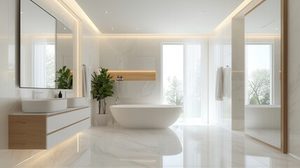
Master Bathroom Remodeling Ideas

A master bathroom can be much more than a room designed for everyday routines. With thoughtful planning, it can become one of the most comfortable and functional spaces in the home, combining practical features with a sense of relaxation that makes the beginning and end of each day more enjoyable. A well-planned master bathroom remodel can address outdated fixtures, poor storage, inefficient layouts, inadequate lighting, and worn surfaces while creating an environment that feels more spacious and intentional. Whether the goal is a complete transformation or a carefully selected series of upgrades, the best master bathroom remodeling ideas focus on how the space will actually be used rather than simply following temporary design trends.

bathroom remodeling

The most successful bathroom renovations usually begin with a clear understanding of the homeowner’s priorities. A beautiful bathroom can still be frustrating if there is not enough storage, the shower is difficult to use, or the lighting is inadequate. Likewise, a highly functional bathroom may feel uninspiring if the finishes, colors, and materials do not create a cohesive atmosphere. Bathroom Remodeling Lexington KY provides an opportunity to bring these elements together. Instead of treating every fixture and surface as an independent decision, homeowners can develop a complete design where layout, storage, lighting, plumbing fixtures, flooring, walls, and decorative details work together.

Start With A Bathroom Layout That Works

One of the most important master bathroom remodeling ideas is to reconsider the existing layout before choosing finishes. A bathroom may have plenty of square footage but still feel cramped because fixtures are positioned inefficiently. A poorly located vanity, oversized bathtub, narrow walkway, or awkwardly positioned toilet can make the room harder to use than its dimensions suggest. Remodeling creates an opportunity to improve circulation and make better use of available space.

The ideal layout depends on the room’s size, plumbing locations, storage requirements, and daily routines. Some homeowners may benefit from opening up the room, while others may gain more from creating clearly defined zones. A spacious shower, a practical vanity area, and accessible storage can often have a greater impact on functionality than simply adding more decorative elements.

Before construction begins, it is worth considering how the bathroom will be used at different times of day. If two people regularly use the space at the same time, the design may need to provide enough separation and counter space to avoid congestion. Thinking through these routines early can help prevent expensive changes after construction has started.

Create A More Comfortable Shower Experience

The shower is often one of the most frequently used features in a master bathroom, making it a natural focal point for remodeling. A dated shower enclosure can be replaced with a larger, more open design that provides greater comfort and easier movement. Frameless or minimally framed glass can also create a more visually open appearance, particularly when the goal is to make the bathroom feel larger.

Shower design should consider more than appearance. The height and location of controls, showerheads, shelves, niches, seating, and grab bars can all influence usability. A properly planned shower can accommodate daily convenience while also supporting long-term accessibility. Built-in niches are particularly useful because they provide designated storage without taking up valuable floor space.

Multiple shower outlets can also create a more customized experience, although plumbing capacity and installation requirements should be considered before making a decision. The objective should be to design a shower that feels comfortable and practical rather than simply adding as many features as possible.

Consider Whether A Freestanding Tub Fits The Space

Freestanding tubs remain a popular choice in master bathroom remodeling because they can create a strong visual focal point while reinforcing the feeling of a private retreat. However, adding a tub should be based on how the space will actually be used. A large tub that rarely gets used may consume valuable floor area that could otherwise improve storage, shower space, or circulation.

If bathing is an important part of the homeowner’s routine, a comfortable tub can be a worthwhile investment. Its shape, depth, placement, and surrounding clearance should all be considered. The area around the tub should also be easy to clean and maintain, especially when the fixture is positioned away from a wall.

For smaller bathrooms, eliminating an oversized tub may actually create a better overall space. A generous shower and improved storage can sometimes provide significantly more everyday value than preserving a fixture simply because it has traditionally been associated with a master bathroom.

Upgrade The Vanity For Function And Style

The vanity is another major component of a master bathroom remodel because it combines storage, countertop space, lighting, plumbing fixtures, and visual design in one area. An outdated vanity can make an otherwise attractive bathroom feel old, while a carefully designed replacement can immediately improve both functionality and appearance.

Double vanities are useful when two people regularly share the bathroom, but they are not automatically the best solution for every room. A large single vanity with excellent storage may provide a better use of space in certain layouts. The decision should be based on available wall space, counter requirements, plumbing, storage needs, and the amount of room required for comfortable movement.

Storage should also be designed around actual habits. Deep drawers can be useful for larger personal-care items, while smaller compartments can organize everyday accessories. Tall cabinets can provide additional capacity without consuming much floor space. A successful vanity should make it easier to keep the countertop clear rather than simply providing an attractive surface.

Use Lighting To Change The Entire Atmosphere

Bathroom lighting is frequently underestimated during remodeling, yet it can have a major effect on both functionality and atmosphere. A single ceiling fixture may provide enough general illumination to move around the room but fail to provide the focused light needed for grooming. Layered lighting creates a more flexible environment by combining overall illumination with task lighting and accent lighting.

Vanity lighting should minimize harsh shadows and provide balanced illumination around the face. Overhead lighting can support general visibility, while recessed fixtures or other appropriately positioned sources can brighten the shower and other areas. Accent lighting can be incorporated beneath cabinets, around architectural features, or in other locations where a softer atmosphere is desirable.

The color temperature and brightness of the lighting should also complement the selected finishes. A bathroom with warm wood tones may benefit from lighting that reinforces that warmth, while a space with cooler finishes may call for a different visual balance. Good lighting design can make the bathroom feel larger, more comfortable, and more polished without changing its physical dimensions.

Choose Materials That Can Handle Daily Bathroom Conditions

A master bathroom needs materials that look good but can also withstand moisture, cleaning, temperature changes, and regular use. Remodeling is therefore an opportunity to replace worn surfaces with durable materials selected according to the demands of the space.

Flooring is particularly important because it needs to provide reliable performance in a potentially wet environment. Wall materials should also be evaluated for water exposure, especially around showers, tubs, and sinks. Countertops should be durable enough for daily use while fitting the overall design.

Material selection should balance appearance, maintenance, longevity, and budget. A beautiful surface that requires constant specialized care may not be the best choice for a busy household. Likewise, choosing inexpensive materials solely to reduce the initial cost can result in premature wear or a design that homeowners eventually want to replace.

Two material-selection priorities are especially useful:

  1. Prioritize moisture resistance and durability in high-exposure areas. These surfaces need to perform reliably rather than simply look attractive when newly installed.
  2. Consider maintenance before committing to a finish. Grout lines, textured surfaces, natural materials, and specialty finishes can have different cleaning requirements.

Make Storage Part Of The Design

Insufficient storage is one of the most common frustrations in bathrooms. Toiletries, towels, cleaning supplies, grooming equipment, and personal items can quickly overwhelm countertops and cabinets when there is no dedicated place for them. A remodel provides an opportunity to solve this problem at the planning stage instead of trying to add storage after construction.

Built-in niches can make excellent use of unused wall space, particularly inside showers. Recessed medicine cabinets can provide storage without projecting into the room, while vanity drawers can organize smaller items more effectively than large open cabinets. Linen storage can also be incorporated where space permits.

The best storage solutions are not necessarily the largest. They are the ones positioned where items are used. Frequently needed products should be easy to reach, while less frequently used supplies can be stored farther away. This simple principle can make the bathroom feel more organized every day.

Bring Warmth Into The Bathroom With Natural Elements

Bathrooms can sometimes feel cold when they rely heavily on hard surfaces such as tile, glass, and stone. Introducing warmer materials and textures can create a more inviting environment. Wood-look cabinetry, natural-inspired colors, woven accessories, soft textiles, and carefully selected decorative features can make the space feel more comfortable without compromising practicality.

Color is another effective way to establish atmosphere. Soft neutral tones can create a calm backdrop, while deeper colors can add contrast and visual character. The goal is not necessarily to make the bathroom look luxurious in an exaggerated way. A sophisticated master bathroom often comes from restraint, balance, and consistency.

Plants and natural decorative elements may also contribute to a more relaxing environment, provided they are appropriate for the moisture and lighting conditions of the room. Even small details can influence how the bathroom feels.

Think About Accessibility Before You Need It

A remodel is an ideal opportunity to incorporate accessibility features without making the bathroom feel institutional. Wider clearances, curbless showers, handheld showerheads, strategically positioned controls, comfortable seating, and reinforced walls for future grab bars can all improve usability.

Universal design can benefit homeowners of different ages and abilities. Even if accessibility is not currently a concern, designing for easier movement and safer use can make the bathroom more comfortable over time. A curbless shower, for example, can create a sleek contemporary appearance while also reducing a potential tripping hazard.

The most effective accessibility features are integrated into the design from the beginning. When they are considered during the planning stage, they can become part of the overall aesthetic rather than appearing as additions made after the remodel is complete.

Add Smart Features Where They Provide Real Value

Technology can also have a place in a modern master bathroom, but smart features should be selected according to usefulness rather than novelty. Heated flooring can provide additional comfort, while improved ventilation controls can help manage humidity. Smart mirrors, programmable lighting, temperature controls, and other connected features can add convenience when they genuinely simplify daily routines.

Technology should not replace sound bathroom design. A complicated system that requires frequent adjustment may become more frustrating than helpful. Homeowners should consider whether a feature solves a real problem, improves comfort, or adds lasting value before including it in the remodeling budget.

Improve Ventilation And Moisture Management

A beautiful bathroom can quickly develop problems if moisture is not properly controlled. Effective ventilation helps remove humid air and can reduce the conditions that contribute to mildew, peeling finishes, unpleasant odors, and moisture-related deterioration.

During a master bathroom remodel, the ventilation system should be evaluated rather than automatically reused. The size and layout of the bathroom can influence ventilation requirements, and the fan should be capable of moving an appropriate amount of air. Controls such as timers or humidity-based operation may also improve performance.

Moisture management extends beyond the exhaust fan. Proper shower waterproofing, sound plumbing connections, suitable materials, and careful installation all contribute to a bathroom that remains durable over time.

Balance Design Ambition With The Remodeling Budget

One of the biggest challenges in bathroom remodeling is controlling costs without sacrificing the features that matter most. A useful approach is to divide the project into priorities. Structural and functional improvements should generally receive attention before purely decorative upgrades. Once the essentials are addressed, homeowners can decide where additional spending will have the greatest visual or practical impact.

It can be tempting to select premium materials and elaborate fixtures throughout the room, but a successful remodel does not require every component to be the most expensive option available. Strategic choices can create a high-end appearance while keeping the project financially manageable.

Homeowners should also allow room in the budget for unexpected conditions. Older bathrooms can conceal plumbing problems, damaged subfloors, outdated wiring, or moisture damage that only becomes visible after demolition. Having a contingency amount can make it easier to handle these discoveries without compromising important parts of the renovation.

Work With A Thoughtful Remodeling Plan

A master bathroom remodel involves many interconnected decisions, which is why planning is often more important than simply choosing attractive products. Layout, plumbing, electrical work, waterproofing, cabinetry, lighting, flooring, ventilation, and finishing details all need to come together in the correct sequence.

Professional bathroom remodeling can help coordinate these elements and reduce the risk of incompatible choices or costly changes during construction. A qualified remodeling team can also evaluate existing conditions and identify problems that may not be obvious to the homeowner.

The best remodeling plan is one that considers the bathroom as a complete environment. Instead of selecting a vanity first and trying to make everything else work around it, homeowners can establish priorities, develop a layout, select complementary materials, and then coordinate the individual components.

Create A Bathroom That Works For Your Life

The strongest master bathroom remodeling ideas are not necessarily the most extravagant ones. They are the ideas that make the room more comfortable, practical, durable, and enjoyable to use every day. A spacious shower may matter more than a decorative feature. Better storage may provide more satisfaction than an expensive finish. Improved lighting may transform the room more effectively than a complete change in color.

A successful remodel should ultimately reflect the people who use the space. It should make everyday routines easier while creating an environment where homeowners can slow down and enjoy the room. Whether the project involves a complete redesign or a carefully planned series of improvements, thoughtful decisions can make a significant difference.

Master bathroom remodeling is an opportunity to correct old frustrations while creating a space designed around current and future needs. With an efficient layout, comfortable fixtures, durable materials, practical storage, effective lighting, proper ventilation, and a cohesive design, an ordinary bathroom can become one of the most valuable and enjoyable spaces in the home. The best result is not simply a bathroom that looks new—it is a bathroom that feels as though it was designed specifically for the way you live.