Architectural stairways are more than pathways between different levels of a building. They can become defining elements of an interior or exterior design, combining structure, movement, safety, and visual character in a single feature. Among the most important components of a stairway are the railings, which provide support and significantly enhance the overall appearance of the space. The materials used in Metal Fabrication Boise Idaho stairway metal railings therefore deserve careful consideration. Choosing the right metal can influence durability, maintenance, weight, fabrication requirements, finish, and the architectural style of the completed stairway.
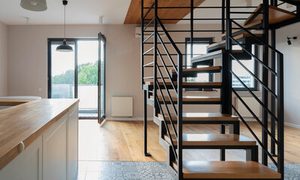
Metal railings are particularly valuable because they can be fabricated into an impressive range of shapes and configurations. Straight lines, curves, geometric patterns, minimalist profiles, decorative elements, and custom architectural details can all be achieved through professional metal fabrication. However, not every metal performs the same way. Steel, stainless steel, aluminum, wrought iron, and other metals have distinct properties that make them appropriate for different applications. Understanding these differences can help architects, builders, property owners, and renovation professionals make more informed decisions when designing or upgrading a stairway.
Why Material Selection Matters For Metal Stair Railings
The material chosen for a stairway railing affects much more than its color or surface appearance. A railing must be capable of handling repeated contact and everyday use while remaining securely connected to the stair structure. Depending on where the stairway is located, the railing may also be exposed to moisture, temperature fluctuations, humidity, chemicals, sunlight, or other environmental conditions. The selected material and finish need to account for these factors.
Architectural railings also have a strong visual presence. A heavy steel railing can create a bold industrial appearance, while a slim stainless steel or aluminum profile can produce a lighter and more contemporary effect. Decorative ironwork can add traditional character, while carefully fabricated metal panels can create a highly customized architectural statement.
Material selection should therefore balance four major considerations: structural performance, environmental resistance, appearance, and maintenance. A railing that looks excellent but requires excessive maintenance may not be appropriate for a demanding environment. Likewise, an extremely durable material may not provide the visual qualities required by the design.
Carbon Steel For Strength And Versatility
Carbon steel is one of the most widely used materials in architectural metal fabrication because of its strength, availability, and versatility. It can be cut, welded, bent, drilled, and fabricated into numerous railing configurations. This makes it suitable for both straightforward architectural railings and highly customized designs.
One of the main advantages of carbon steel is its ability to provide a substantial, solid appearance. Larger steel profiles can give stairways a strong architectural presence, while smaller profiles can be fabricated for a more refined appearance. Because steel can be fabricated into complex shapes, designers have considerable freedom when developing railing systems.
The primary consideration with untreated carbon steel is corrosion. When exposed to moisture or other corrosive conditions, steel can develop rust. Protective coatings, paint systems, powder coating, or other finishing methods can help protect the material and provide the desired appearance. Proper surface preparation is particularly important because the durability of the finished railing depends not only on the steel itself but also on how effectively the surface is prepared and protected.
Stainless Steel For Modern Architectural Applications
Stainless steel is particularly popular when designers want a clean appearance combined with strong resistance to corrosion. Its characteristic metallic finish can contribute to modern, minimalist, and contemporary stairway designs. Stainless steel railings can also be fabricated into relatively slender profiles, which can make a stairway appear visually lighter.
The corrosion resistance of stainless steel comes from its composition and protective passive layer. However, stainless steel is not completely immune to staining or corrosion. The environment, grade of stainless steel, exposure to contaminants, surface condition, and maintenance practices can all influence performance.
One of the advantages of stainless steel in architectural applications is its relatively low maintenance requirement when properly selected and installed. Routine cleaning can help preserve its appearance, especially in environments where fingerprints, dust, or airborne contaminants accumulate. Brushed or satin finishes can also provide a practical alternative to highly polished surfaces when the goal is to reduce the visibility of minor marks.
Aluminum For Lightweight Stairway Railings
Aluminum offers a different combination of properties from steel. It is significantly lighter, naturally corrosion resistant, and relatively easy to fabricate. These characteristics make aluminum an attractive option when weight is an important consideration or when a lightweight architectural appearance is desired.
Because aluminum weighs less than steel, it can be easier to transport and handle during fabrication and installation. It can also be formed into various profiles and finished in a wide range of colors and textures. Powder coating is commonly used to provide additional surface protection and visual customization.
However, aluminum does not provide the same strength characteristics as steel, meaning that the design must account for its material properties. Profile dimensions, connection details, spans, and intended loading all need to be appropriately engineered. Aluminum is therefore not simply a lighter replacement for steel; it requires its own design approach.
For contemporary stairways where clean lines and minimal visual weight are priorities, aluminum can provide an appealing combination of practicality and architectural flexibility.
Wrought Iron And Decorative Metalwork
Wrought iron has long been associated with decorative architectural railings. While modern fabrication techniques and materials have changed considerably, the visual influence of traditional ironwork remains strong. Ornamental curves, scrolls, geometric motifs, and handcrafted-looking details can give a stairway a distinctive character.
Historically, wrought iron was shaped through traditional forging techniques. Today, the term is sometimes used broadly to describe decorative iron or steel railing products, even when the actual material differs from historically produced wrought iron. The important consideration is understanding what material is actually being specified and how it will be finished.
Decorative metal railings can be particularly effective when the stairway is intended to function as an architectural centerpiece. Rather than serving only as a safety feature, the railing becomes part of the building’s visual identity. Intricate designs can create a sense of craftsmanship, while simplified geometric patterns can reinterpret traditional metalwork in a more contemporary way.
Galvanized Steel For Corrosion Resistance
Galvanized steel is another important option for metal railing applications where corrosion resistance is a priority. Galvanization involves applying a protective zinc coating to steel, helping shield the underlying material from environmental exposure.
This type of protection can be particularly useful for railings exposed to moisture or outdoor conditions. The zinc coating provides a sacrificial layer that helps protect the steel if the surface becomes damaged. Galvanized finishes can have a distinctive appearance, although they can also be painted or incorporated into other finishing systems when appropriate.
As with any material, proper fabrication and installation remain important. Cutting, drilling, welding, and field modifications can affect protective coatings and may require appropriate treatment afterward. A railing is only as durable as its weakest exposed area, so attention to connections and modified sections is essential.
Powder Coating And The Importance Of Finishes
Although powder coating is not a structural metal material, it plays an important role in architectural stairway railings because the finish affects both appearance and protection. Powder coating involves applying a dry coating material to a prepared metal surface and curing it to create a durable finish.
This process provides extensive design flexibility. Railings can be produced in numerous colors, textures, and sheen levels, allowing the metal to complement surrounding architectural materials. A matte black finish, for example, can create a bold contemporary appearance, while lighter or metallic finishes may create a more subtle visual effect.
Surface preparation is critical. Dirt, grease, oxidation, rust, or other contaminants can compromise coating performance. Professional fabrication therefore typically includes careful preparation before finishing. When properly applied, a durable coating can help protect the underlying metal while giving the railing a consistent architectural appearance.
Brass And Bronze For Distinctive Architectural Character
Brass and bronze can also be used in specialized architectural railing applications when appearance is a major design consideration. These materials can provide warm metallic tones that differ significantly from the cooler appearance of steel or aluminum.
Brass is often associated with refined decorative interiors, while bronze can provide a deeper and more substantial appearance. Both materials can change visually over time depending on exposure and maintenance. Some designers intentionally embrace this natural aging process because it can contribute to the character of the architecture.
These materials are generally selected more for their distinctive aesthetic qualities than for being the default structural choice for every stairway. They can be incorporated as handrails, decorative components, accents, or other architectural details alongside stronger structural materials.
Combining Multiple Materials In One Railing
Modern architectural design does not always require a stairway railing to be made entirely from one material. Combining metals with glass, wood, cable systems, or other materials can produce a more layered design while allowing each component to perform a specific function.
For example, a strong metal frame can provide the primary structure while glass panels create visual openness. Metal posts can also be paired with wood handrails to introduce warmth into an otherwise industrial design. These combinations can be particularly effective in spaces where the goal is to balance structural strength with visual lightness.
The challenge is ensuring that the materials work together technically as well as visually. Different materials expand and contract at different rates, react differently to moisture, and require different fastening or finishing techniques. Connection details should therefore be considered during the design stage rather than treated as an afterthought.
Choosing Materials Based On The Environment
The location and conditions surrounding a stairway should strongly influence material selection. An interior stairway in a dry, controlled environment may have very different requirements from an exterior railing exposed to rain, humidity, sunlight, and airborne contaminants.
Environmental exposure is one of the most important factors when comparing materials. Stainless steel or aluminum may be attractive where corrosion resistance is important, while properly protected carbon steel may provide an economical and highly versatile option in controlled environments. Galvanized steel can be useful where additional protection from moisture is needed.
The level of maintenance that the property owner is willing to perform should also be considered. Some materials require more frequent cleaning or refinishing, while others can maintain their appearance with relatively simple care.
Fabrication Quality Is Just As Important As Material
Even the best railing material can perform poorly if fabrication and installation are inadequate. Accurate measurements, properly executed welds, appropriate connections, smooth edges, correct alignment, and suitable surface preparation all contribute to the quality of the finished system.
Professional architectural metal fabrication can turn a design concept into a railing that fits the stairway accurately. Custom fabrication is particularly valuable when stair dimensions, angles, curves, or architectural details do not conform to standard sizes.
Welding quality deserves particular attention. Poor welds can affect both appearance and structural integrity, while excessive grinding can create uneven surfaces or weaken the visual consistency of the finished product. Experienced fabricators understand how to balance structural requirements with the clean appearance expected in architectural metalwork.
Maintenance Requirements Depend On The Material
Different metals require different maintenance strategies. Stainless steel may need routine cleaning to preserve its finish, while painted carbon steel should be inspected for chips, scratches, or areas where corrosion protection has been compromised. Powder-coated surfaces should be cleaned appropriately without aggressive products that could damage the coating.
Aluminum generally offers good resistance to corrosion, but its finish can still become dirty, faded, or damaged depending on environmental exposure. Decorative metals such as brass and bronze may develop patina, which can either be preserved or removed depending on the desired appearance.
Regular inspection is useful regardless of the material. Homeowners and property managers should look for loose connections, damaged finishes, corrosion, unusual movement, or other changes that could indicate a developing problem.
Safety And Building Requirements Must Remain A Priority
Architectural appearance should never take priority over safety. Stairway railings are functional safety components, which means their height, spacing, strength, attachment, and configuration may be subject to applicable building codes and regulations. Requirements can vary according to the type of building, occupancy, stairway configuration, and jurisdiction.
A railing design should therefore be evaluated for both architectural intent and compliance. Professional designers, engineers, fabricators, and contractors can help ensure that the final system satisfies applicable requirements while maintaining the desired aesthetic.
This is particularly important for custom railings. A visually attractive design may still require modifications if it creates unsafe openings, insufficient support, or other compliance concerns. Integrating safety requirements early in the design process makes it easier to achieve a successful result without compromising the architectural concept.
Finding The Right Balance Between Strength And Design
The best architectural stairway metal railing is rarely determined by one factor alone. Material selection requires a balance between structural requirements, environmental exposure, appearance, maintenance, fabrication complexity, and budget. Steel may provide exceptional versatility and strength, stainless steel may deliver corrosion resistance and a refined appearance, aluminum may reduce weight, and decorative metals may provide distinctive visual character.
The most effective approach is to start with the purpose of the railing and the conditions in which it will operate. From there, the material, profile, finish, connections, and design details can be selected to support both performance and appearance. This approach prevents the common mistake of choosing a material simply because it looks attractive in isolation.
Architectural stairway railings are an opportunity to combine engineering with design. When the material is carefully selected and professionally fabricated, the railing can become a durable architectural feature that supports the stairway while enhancing the surrounding space.
Building Better Stairways Through Thoughtful Material Selection
Materials used in architectural stairway metal railings have a direct influence on how a stairway looks, performs, and ages. From versatile carbon steel and corrosion-resistant stainless steel to lightweight aluminum, galvanized steel, decorative ironwork, and specialty metals, each option brings its own combination of advantages and limitations.
The right choice depends on the specific project rather than on a single universally superior material. Environmental exposure, desired style, structural requirements, maintenance expectations, and fabrication needs should all be considered before a final decision is made. Proper finishing and professional installation are equally important because they determine how well the selected material performs over time.
A thoughtfully designed railing can do much more than provide a place to hold while walking up or down a staircase. It can define the character of the stairway, reinforce the architectural style of the building, and create a lasting connection between function and design. By understanding the properties of different metals and approaching fabrication as both an engineering and design process, property owners and professionals can create stairway railings that offer strength, durability, safety, and visual appeal for years to come.