
Water Damage Restoration and Insurance Claims Explained

Water Damage Restoration

Water damage is one of the most stressful and disruptive issues a homeowner or property owner can experience. Whether caused by a burst pipe, appliance failure, roof leak, flooding, or sewage backup, water damage can spread quickly and cause serious structural, financial, and health problems. In addition to restoring the property, many people must also navigate the insurance claims process, which can feel confusing and overwhelming during an already difficult time.

Understanding how Water Damage Restoration Salt Lake City works and how it connects to insurance claims can make the process smoother, faster, and far less stressful.

Understanding What Water Damage Restoration Involves

Water damage restoration is the professional process of cleaning, drying, repairing, and restoring a property after unwanted water intrusion. It goes far beyond simply removing visible water. Water spreads into walls, flooring, insulation, furniture, and structural components, often affecting areas that cannot be seen without specialized equipment.

The goal of water damage restoration is to stop further damage, prevent mold growth, restore safety, and return the property to its pre damage condition. Restoration professionals use industrial equipment such as water extractors, air movers, and dehumidifiers to remove moisture thoroughly. They also clean and sanitize affected areas, especially when the water source is contaminated.

Restoration is time sensitive. The longer water remains, the more damage it causes. Acting quickly not only reduces repair costs but also improves the chances of insurance coverage and successful claims.

Why Immediate Action Matters for Insurance Claims

Insurance companies expect policyholders to take reasonable steps to prevent additional damage after water loss occurs. This is often referred to as the duty to mitigate damage. Delaying restoration can allow water damage to worsen, which may lead to denied or reduced claims.

Starting water damage restoration quickly demonstrates that the homeowner took appropriate action to limit damage. This includes stopping the source of water, removing standing water, and beginning drying as soon as possible. Insurance adjusters often look closely at timelines when reviewing claims, especially in cases involving mold growth or extensive secondary damage.

Quick action not only protects the property but also strengthens the insurance claim by showing responsible response.

Common Causes of Water Damage Covered by Insurance

Insurance coverage for water damage depends on the cause of the damage and the specific policy. Many standard homeowners insurance policies cover sudden and accidental water damage. This typically includes issues such as burst pipes, appliance failures, water heater leaks, or accidental overflow from plumbing systems.

Roof leaks caused by sudden storm damage may also be covered, especially if the roof was properly maintained. Some policies cover water damage from fire suppression systems or broken supply lines.

However, insurance usually does not cover water damage caused by long term neglect, slow leaks, or poor maintenance. Flood damage from natural disasters is typically excluded from standard policies and requires separate flood insurance. Understanding these distinctions is critical when filing a claim.

Types of Water Damage and How They Affect Claims

Water damage is often categorized into three types, which can affect both restoration methods and insurance coverage. Clean water damage comes from sources like broken pipes or rainwater intrusion. These claims are generally the simplest and most likely to be approved.

Gray water damage involves water that contains some contaminants, such as from washing machines or dishwashers. These claims may require additional cleaning and sanitation and are usually covered, though restoration costs may be higher.

Black water damage comes from sewage backups or floodwaters and poses serious health risks. These claims are more complex, require extensive sanitation, and are often subject to stricter policy limitations. Proper documentation and professional handling are especially important for black water claims.

The Water Damage Restoration Process Step by Step

The restoration process typically begins with an inspection and assessment. Restoration professionals evaluate the extent of damage, identify the water source, and determine which materials can be saved and which must be removed. Moisture detection tools are used to locate hidden water behind walls and under floors.

Next comes water extraction. Powerful pumps and vacuums remove standing water quickly to limit further absorption. Once visible water is removed, drying and dehumidification begin. This stage removes moisture from the air and materials, preventing mold growth and structural damage.

Cleaning and sanitizing follow, especially for contaminated water losses. Surfaces, belongings, and affected areas are treated to remove bacteria, odors, and debris. The final phase involves repairs and reconstruction, such as replacing drywall, flooring, or cabinetry, to restore the property fully.

Documenting Water Damage for Insurance Purposes

Documentation is one of the most important aspects of a successful insurance claim. As soon as it is safe, homeowners should take photos and videos of the damage before cleanup begins. This includes standing water, damaged materials, affected belongings, and visible sources of the water intrusion.

Written notes describing when the damage was discovered, what caused it, and which areas were affected can be very helpful. Keeping records of any emergency repairs, invoices, and restoration reports supports the claim and provides evidence of mitigation efforts.

Professional water damage restoration companies often assist with documentation by providing moisture readings, detailed assessments, and itemized estimates. This information is valuable when communicating with insurance adjusters.

Filing the Insurance Claim

Once the damage is documented, the insurance company should be notified as soon as possible. Most policies require prompt reporting of losses. When filing the claim, homeowners provide details about the cause of damage, when it occurred, and the extent of the loss.

An insurance adjuster is typically assigned to inspect the property and review the claim. The adjuster evaluates coverage, determines the scope of approved repairs, and calculates the settlement amount. Clear communication and accurate documentation during this stage help prevent misunderstandings or delays.

It is important to understand that the adjuster works for the insurance company. While many adjusters are fair and professional, homeowners should review estimates carefully and ask questions if something seems unclear or incomplete.

How Restoration Companies Work With Insurance

Many professional water damage restoration companies work directly with insurance providers. They understand insurance terminology, documentation requirements, and claim processes. This experience can make a significant difference in how smoothly the claim progresses.

Restoration companies often provide detailed estimates using industry standard software accepted by insurance companies. They may communicate directly with adjusters, answer technical questions, and explain the necessity of specific restoration steps.

While homeowners are not required to use an insurance recommended contractor, working with an experienced restoration company that understands insurance claims can reduce stress and improve outcomes.

Understanding Coverage Limits and Deductibles

Insurance policies include coverage limits and deductibles that affect the final payout. The deductible is the amount the homeowner pays out of pocket before insurance coverage applies. Coverage limits cap how much the insurance company will pay for certain types of damage.

Some policies have separate limits for mold remediation, water damage, or personal property. Understanding these limits helps homeowners plan financially and avoid surprises.

Reviewing the policy carefully or asking the insurance company to explain coverage details is an important step during the claims process.

Common Reasons Water Damage Claims Are Denied

Water damage claims may be denied for several reasons. Damage caused by long term leaks, lack of maintenance, or wear and tear is commonly excluded. Delayed reporting or failure to mitigate damage can also lead to denial or reduced coverage.

Claims involving flood damage without flood insurance are another common issue. Additionally, incomplete documentation or discrepancies in the reported cause of damage may raise red flags for insurers.

Understanding these potential issues helps homeowners take proactive steps to protect their claims.

The Importance of Mold Prevention in Claims

Mold growth is a major concern in water damage cases and can complicate insurance claims. Many policies limit mold coverage or exclude it altogether if it results from delayed action.

Prompt water removal and drying are the best defenses against mold. Starting restoration quickly not only protects health but also reduces the risk of claim disputes related to mold damage.

Professional restoration companies focus heavily on moisture control and mold prevention to support both property recovery and insurance approval.

Final Thoughts on Water Damage Restoration and Insurance Claims

Water damage restoration and insurance claims are closely connected processes that require quick action, clear documentation, and informed decision making. Understanding how restoration works and what insurance companies expect empowers homeowners to respond effectively during a stressful situation.

By acting quickly, working with experienced restoration professionals, and maintaining open communication with insurance providers, homeowners can reduce damage, protect coverage, and restore their property more efficiently. While water damage is never convenient, knowing how restoration and insurance claims work together makes recovery more manageable and far less overwhelming.
Roll Off Dumpster Rental: A Complete Guide for Efficient Waste Management

Roll Off Dumpster Rental

Roll off dumpster rental is one of the most practical solutions for managing large amounts of waste generated by residential, commercial, and construction projects. From home renovations and cleanouts to large scale demolition and commercial upgrades, roll off dumpsters provide a convenient, organized, and efficient way to handle debris.

Instead of relying on standard trash services or making repeated trips to disposal facilities, renting a roll off dumpster allows waste to be collected in one central location and removed professionally. Understanding how Paris Roll Off Dumpster Rental works and when it is most beneficial helps ensure projects stay clean, safe, and on schedule.

What Roll Off Dumpster Rental Is

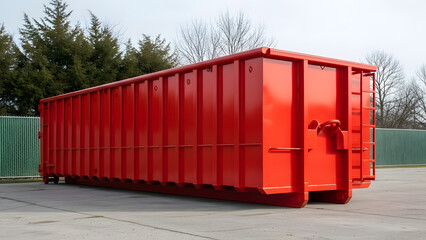
Roll off dumpster rental involves leasing a large, open top waste container for temporary use. The term “roll off” refers to how the dumpster is delivered and picked up. Specialized trucks roll the container off the back of the vehicle and place it at the designated location. When the rental period ends or the container is full, the truck returns to roll the dumpster back onto the vehicle and transport the waste for disposal or recycling.

These dumpsters are designed for short term use and are ideal for projects that generate more waste than regular dumpsters or curbside pickup can handle. Their rectangular shape and open top make it easy to load bulky or heavy materials. Many roll off dumpsters also feature a swinging rear door, allowing users to walk debris directly into the container.

Common Projects That Use Roll Off Dumpster Rental

Roll off dumpster rental is widely used across many industries and project types. Construction and remodeling projects are among the most common users. Roofing jobs, kitchen remodels, bathroom renovations, and full home remodels produce large volumes of debris that need to be removed quickly and safely.

Homeowners often rent roll off dumpsters for major cleanouts. Clearing out garages, basements, attics, or entire homes can generate more waste than expected. A roll off dumpster provides a single, convenient place to dispose of unwanted items without cluttering the property.

Commercial projects also rely on roll off dumpster rental. Office renovations, retail buildouts, warehouse cleanups, and property maintenance projects benefit from having a reliable waste management solution on site. Demolition projects, both residential and commercial, depend heavily on roll off dumpsters due to the volume and weight of debris produced.

Roll Off Dumpster Sizes and Choosing the Right One

Roll off dumpsters are available in a range of sizes, typically measured in cubic yards. The size refers to the volume of material the container can hold. Smaller dumpsters are suitable for minor projects, while larger dumpsters accommodate extensive construction or demolition work.

Choosing the right size is important for both efficiency and cost control. A dumpster that is too small may fill up before the project is complete, requiring additional hauls. A dumpster that is too large may result in unnecessary expense. Rental companies usually help customers select the appropriate size based on the scope of the project and the type of debris involved.

Weight limits are another important consideration. Heavy materials such as concrete, brick, dirt, or roofing shingles can reach weight limits quickly, even if the dumpster is not completely full. Understanding both volume and weight requirements helps avoid overage fees and collection issues.

How the Roll Off Dumpster Rental Process Works

The roll off dumpster rental process is designed to be straightforward and user friendly. It begins with contacting a rental provider to discuss the project and determine the appropriate dumpster size. Delivery and pickup dates are scheduled based on the project timeline.

On the scheduled delivery date, the rental company delivers the dumpster to the specified location using a roll off truck. The driver carefully places the container in a location that allows easy access while minimizing disruption. Once delivered, the dumpster remains on site for the agreed rental period.

During the rental period, the customer fills the dumpster with approved materials. When the project is complete or the container is full, the customer contacts the rental company to schedule pickup. The company then removes the dumpster and handles proper disposal or recycling of the waste.

Materials Allowed in a Roll Off Dumpster

Roll off dumpsters can handle a wide variety of materials, making them versatile for many projects. Commonly accepted items include construction debris, household junk, furniture, wood, drywall, roofing materials, yard waste, and non hazardous materials.

However, there are restrictions on what can be placed in a roll off dumpster. Hazardous materials such as chemicals, paint, oil, batteries, asbestos, medical waste, and certain electronics are typically prohibited. Appliances containing refrigerants and tires may also require special handling.

Rental companies provide clear guidelines on acceptable materials. Following these rules is essential to avoid additional fees, delays, or environmental violations.

Benefits of Roll Off Dumpster Rental

One of the biggest advantages of roll off dumpster rental is convenience. Having a large container on site allows waste to be disposed of immediately, keeping the work area clean and organized. This is especially important for construction and renovation projects, where debris can accumulate quickly.

Efficiency is another major benefit. Roll off dumpsters eliminate the need for repeated trips to disposal facilities, saving time, fuel, and labor. This allows projects to progress more smoothly and reduces downtime.

Safety is also improved with roll off dumpster rental. Loose debris can create tripping hazards, attract pests, or block access points. Containing waste in a dumpster helps maintain a safer environment for workers and residents.

Roll Off Dumpster Rental for Residential Use

Homeowners often choose roll off dumpster rental for large home projects that generate more waste than standard trash pickup can handle. Remodeling projects, landscaping work, and home cleanouts are common reasons to rent a dumpster.

The open top design makes it easy to dispose of bulky items such as cabinets, furniture, flooring, or tree branches. The dumpster remains on site throughout the project, allowing homeowners to work at their own pace without worrying about waste buildup.

For residential use, roll off dumpsters provide a practical and stress reducing solution that simplifies cleanup and keeps the property organized.

Roll Off Dumpster Rental for Commercial and Construction Projects

Commercial and construction projects depend heavily on roll off dumpster rental for effective waste management. Job sites generate continuous debris that must be removed promptly to maintain safety and productivity.

Roll off dumpsters are built to handle heavy, sharp, and bulky materials commonly found on construction sites. Their large capacity reduces the frequency of pickups, which helps control costs and minimize interruptions.

For commercial renovations or property maintenance, roll off dumpsters help maintain a professional appearance while supporting efficient project management.

Placement and Site Preparation

Proper placement of a roll off dumpster is important for accessibility and safety. The container should be placed on a flat, stable surface with enough space for delivery and pickup trucks to maneuver. Driveways, parking areas, and designated work zones are common placement options.

In some locations, placing a dumpster on a public street requires a permit. Rental providers can often advise on local regulations and permit requirements. Planning placement in advance helps avoid delays on delivery day.

Protecting surfaces beneath the dumpster is also recommended. Placing boards or protective materials under the container can prevent damage to pavement or concrete.

Environmental Responsibility and Waste Disposal

Many roll off dumpster rental companies prioritize responsible waste disposal practices. After pickup, waste is often taken to facilities where recyclable materials such as metal, wood, and concrete are separated and reused when possible.

This approach reduces landfill use and supports environmental sustainability. Some projects may benefit from separate dumpsters for recyclable materials, depending on local regulations and project goals.

Choosing a rental provider that emphasizes responsible disposal contributes to cleaner projects and reduced environmental impact.

Cost Factors in Roll Off Dumpster Rental

The cost of roll off dumpster rental depends on several factors, including dumpster size, rental duration, location, and type of debris. Weight limits and overage fees can also affect pricing.

Understanding these cost factors helps customers budget accurately and avoid unexpected charges. Clear communication with the rental provider ensures pricing transparency and helps match the rental to the project’s needs.

Selecting the correct size and following disposal guidelines are key to controlling costs.

Safety Guidelines for Using a Roll Off Dumpster

Using a roll off dumpster safely involves following a few basic rules. The dumpster should not be overfilled, as debris extending above the sides can create hazards and prevent pickup. Weight should be distributed evenly to maintain stability.

Prohibited materials should never be placed in the dumpster. The area around the container should remain clear to allow safe access. Following safety guidelines protects workers, property, and the waste removal process.

Choosing the Right Roll Off Dumpster Rental Provider

Selecting a reliable roll off dumpster rental provider is essential for a smooth experience. Important factors include availability, customer service, pricing transparency, and knowledge of local regulations.

A reputable provider helps customers choose the right dumpster size, explains acceptable materials, and responds promptly to scheduling needs. This support ensures the rental process is efficient and stress free.

Final Thoughts on Roll Off Dumpster Rental

Roll off dumpster rental is an efficient and dependable solution for managing large volumes of waste across a wide range of projects. Its convenience, capacity, and flexibility make it an essential tool for homeowners, contractors, and businesses alike.

By understanding how roll off dumpster rental works, selecting the right size, and partnering with a reliable provider, waste management becomes simple and organized. Roll off dumpsters help keep projects clean, safe, and on track from start to finish.