Building a home is one of the most significant investments a person can make, yet the process is often misunderstood. Many people imagine construction as a straightforward sequence of drawings, materials, and labor, but experienced home builders know that success begins long before the first foundation is poured. Today’s approach to residential construction focuses on thoughtful planning, collaboration, and long-term performance. Instead of simply assembling structures, modern home builders help transform abstract ideas into functional living environments that adapt to changing lifestyles.
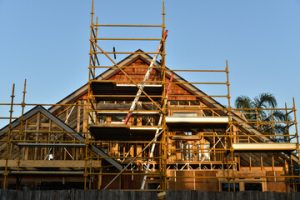
The role of Home Builders Boston has evolved alongside advances in construction technology and design philosophy. Rather than focusing only on physical construction, builders now serve as coordinators who bring together architects, designers, engineers, and clients. This collaborative process ensures that every element of a home — from layout and lighting to energy efficiency and durability — works together seamlessly. The result is not just a finished house, but a carefully planned space designed to support everyday living.
Understanding the Vision Before Construction Begins
One of the most overlooked aspects of working with professional home builders is the importance of early-stage conversations. Before any materials are selected or measurements finalized, builders spend time understanding how clients want to live in their new space. This includes discussing daily routines, long-term goals, and even future changes such as growing families or evolving work habits. By focusing on lifestyle rather than just structure, home builders create designs that remain functional for years.
Vision planning also helps prevent costly changes during construction. When homeowners clearly define their priorities early, builders can recommend layouts and features that align with those expectations. For example, someone who values open gathering spaces may benefit from a different structural plan than someone prioritizing privacy or storage. Thoughtful planning minimizes guesswork and allows construction to move forward with confidence.
Another important part of defining the vision involves balancing creativity with practicality. While design inspiration is valuable, experienced home builders know how to translate ideas into achievable solutions. They consider factors such as structural integrity, material performance, and long-term maintenance to ensure that the finished home meets both aesthetic and functional standards.
The Planning Phase That Shapes Every Successful Build
Planning is often the longest stage of any construction project, yet it receives less attention than the building itself. Professional home builders recognize that detailed preparation reduces delays, controls costs, and improves overall quality. During this phase, builders develop timelines, coordinate permits, and establish clear communication channels with everyone involved.
A strong planning process typically includes several key steps:
- Site evaluation and feasibility analysis. Builders assess terrain conditions, drainage patterns, and environmental factors to determine how they may influence construction.
- Budget alignment and cost forecasting. Instead of relying on rough estimates, experienced builders create realistic projections that account for materials, labor, and potential adjustments.
- Design coordination. Builders work closely with designers to ensure that structural plans align with practical construction methods.
- Scheduling and logistics. Organizing deliveries and labor in advance prevents unnecessary downtime during the build.
These steps may seem technical, but they form the foundation of a smooth construction experience. When planning is thorough, homeowners are less likely to encounter unexpected surprises that disrupt progress.
Craftsmanship and Attention to Detail
Quality craftsmanship remains one of the defining traits of exceptional home builders. While modern tools and materials have streamlined many aspects of construction, the human element still plays a critical role. Builders who prioritize precision pay close attention to alignment, structural connections, and finishing details that may not be immediately visible but contribute to long-term durability.
Attention to detail begins with framing, where accurate measurements ensure that walls, windows, and doors fit perfectly. From there, builders carefully integrate mechanical systems, insulation, and finishing materials to create a cohesive structure. Each step builds upon the previous one, meaning that even small mistakes early in the process can affect the final result. Skilled home builders understand this interconnectedness and maintain high standards throughout every phase.
Beyond structural considerations, craftsmanship also influences how a home feels. Thoughtful placement of natural light, balanced proportions, and smooth transitions between spaces create an environment that feels comfortable and inviting. These subtle elements may not stand out individually, but together they shape the overall experience of living in the home.
How Home Builders Balance Innovation and Tradition
Residential construction has seen significant innovation in recent years, from advanced building materials to smart home technology. However, experienced home builders know that innovation works best when combined with time-tested construction principles. Instead of chasing trends, they evaluate new solutions based on performance, reliability, and long-term value.
Modern homes often incorporate features designed to improve efficiency and convenience. Energy-saving systems, durable exterior materials, and flexible interior layouts allow homeowners to adapt their spaces over time. Builders play a key role in guiding clients through these options, helping them decide which innovations align with their goals.
At the same time, traditional construction techniques continue to provide a strong foundation for quality builds. Proper framing methods, effective moisture management, and durable finishes remain essential regardless of technological advancements. By blending new ideas with established practices, home builders create structures that feel modern while maintaining structural integrity.
Avoiding Common Pitfalls in New Home Construction
Even well-planned projects can encounter challenges if certain details are overlooked. Professional home builders help homeowners avoid these pitfalls by anticipating potential issues and offering practical solutions. Some of the most common concerns include:
- Underestimating timelines. Construction involves many moving parts, and unexpected delays can occur without careful scheduling.
- Focusing only on initial costs. Choosing materials based solely on price may lead to higher maintenance expenses in the future.
- Neglecting future flexibility. Homes designed without adaptability may require costly renovations later.
- Poor communication between teams. Clear collaboration ensures that design and construction remain aligned throughout the project.
By addressing these challenges proactively, builders create a smoother experience for everyone involved. Homeowners benefit from realistic expectations and a clearer understanding of how decisions made today will influence their home’s performance over time.
The Emotional Side of Building a Home
While construction is often viewed as a technical process, it also carries a strong emotional component. Building a home represents a major life milestone, and experienced home builders understand the importance of maintaining trust and transparency throughout the journey. Open communication helps reduce stress and allows clients to feel confident in each stage of the project.
Home builders who prioritize relationships take time to explain progress, answer questions, and provide updates. This level of engagement transforms construction from a potentially overwhelming experience into a collaborative partnership. Clients feel more connected to the process, and builders gain valuable insight into what matters most to the people who will live in the space.
Creating a positive building experience goes beyond completing tasks on a checklist. It involves understanding personal preferences, respecting timelines, and ensuring that every decision reflects the client’s vision. When builders focus on these aspects, the final result becomes more than just a structure — it becomes a place where memories will be made.
Long-Term Value Created by Skilled Home Builders
A thoughtfully built home offers benefits that extend far beyond the day construction ends. Durable materials, efficient layouts, and high-quality craftsmanship contribute to lower maintenance costs and improved comfort. Professional home builders design homes with longevity in mind, ensuring that systems remain functional and adaptable as needs change.
Long-term value also comes from strategic design choices. Flexible floor plans allow spaces to serve multiple purposes, while energy-efficient features help reduce operating expenses over time. These considerations make homes more appealing to future buyers, increasing overall marketability without sacrificing personal style.
In addition to financial advantages, well-built homes provide peace of mind. Knowing that the structure has been carefully planned and constructed allows homeowners to focus on enjoying their living space rather than worrying about potential issues. This sense of security is one of the most valuable outcomes of working with experienced home builders.
Looking Ahead: The Future of Home Building
As construction continues to evolve, home builders are embracing new ways to improve efficiency, sustainability, and design flexibility. Prefabrication techniques, advanced insulation systems, and innovative materials are shaping the next generation of residential construction. These developments allow builders to reduce waste, enhance performance, and deliver projects more efficiently.
Sustainability is becoming an increasingly important focus, with many homeowners seeking environmentally responsible building practices. Builders who stay informed about emerging technologies can recommend solutions that reduce environmental impact while maintaining comfort and style. From energy-conscious layouts to durable finishes that require less maintenance, the future of home building emphasizes balance between innovation and responsibility.
At its core, the role of home builders will always revolve around creating spaces that support real lives. As design trends change and technology advances, the ability to listen, plan, and execute with precision will remain the defining quality of successful professionals in the industry.
Home building is far more than a construction process; it is a collaborative journey that blends creativity, technical expertise, and long-term vision. Skilled home builders bring structure to ideas, guiding clients through each phase with thoughtful planning and clear communication. By focusing on durability, adaptability, and craftsmanship, they create homes that stand the test of time.
Whether the goal is to build a forever home or create a space that evolves with changing needs, working with experienced builders ensures that every decision supports lasting value. From the earliest planning stages to the finishing details, the expertise of professional home builders transforms complex projects into living spaces designed for comfort, performance, and enduring satisfaction.